
Garment
The base garment and construction direction.
Planning T-shirts for a team, event or company requirement? Start with the garment type, quantity, sizes, colour, logo placement and required date.
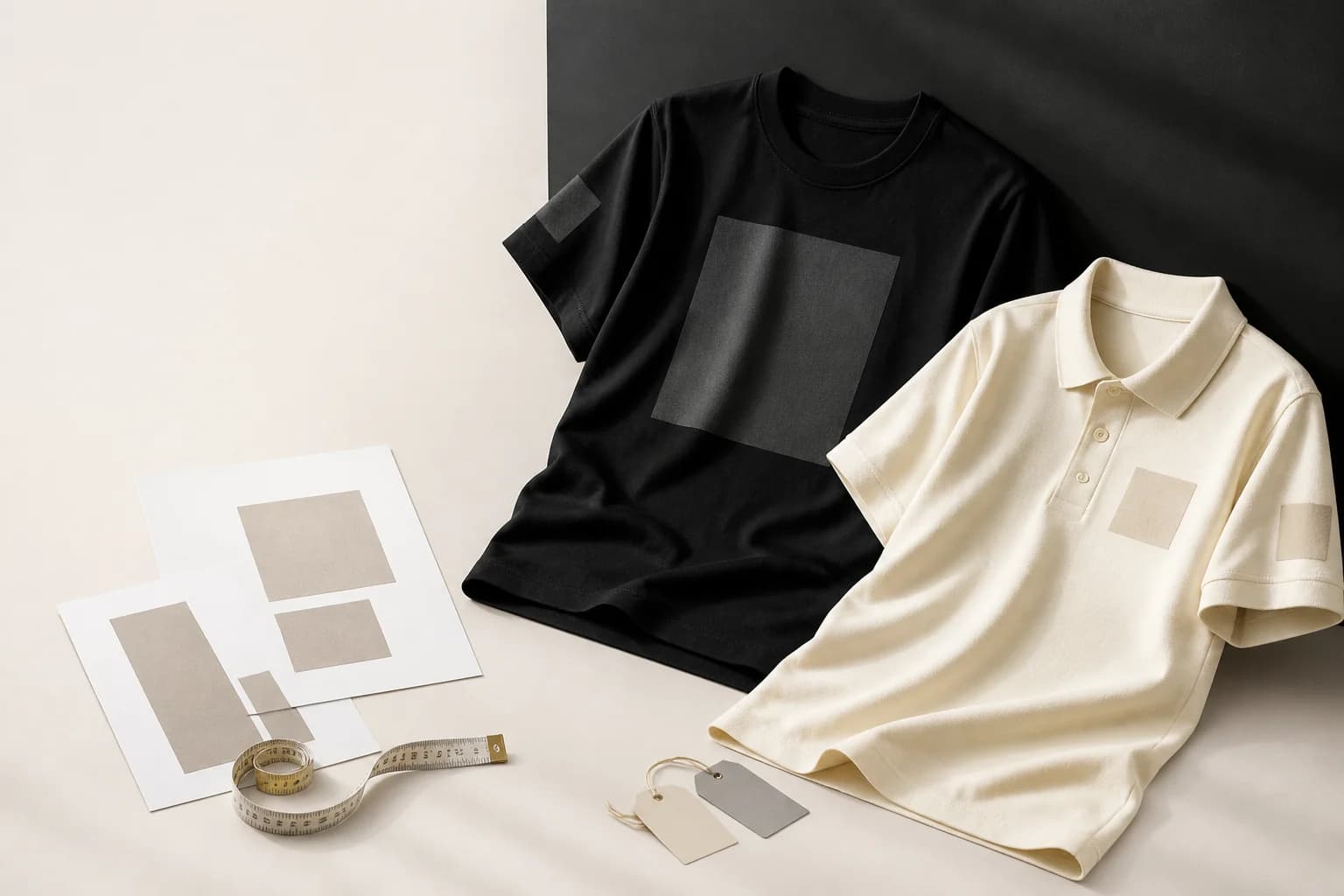
Round neck, polo, dry-fit or not sure—the intended use matters more than knowing technical terminology.
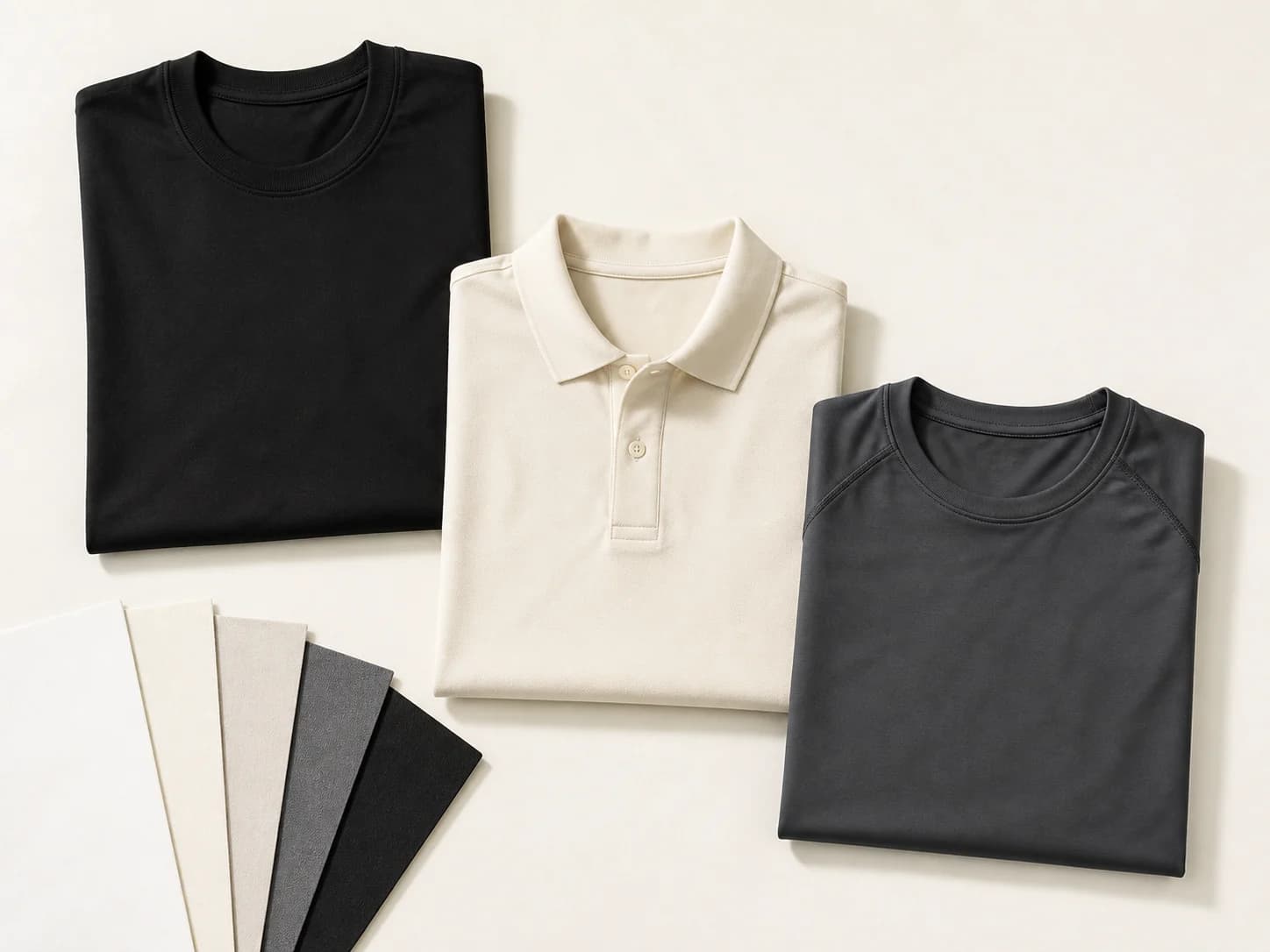
You do not need to choose a printing method first. Start with the garment, quantity, artwork, usage and date.
Custom T-shirt requirement
Garment: Round neck
Quantity: Not specified
Colour: Not specified
Size mix: Not specified
Branding position: Front
Required date: Not specified
WhatsApp Requirement
Start with the garment, quantity, artwork and usage. The branding method can be discussed from there.
Share the Requirement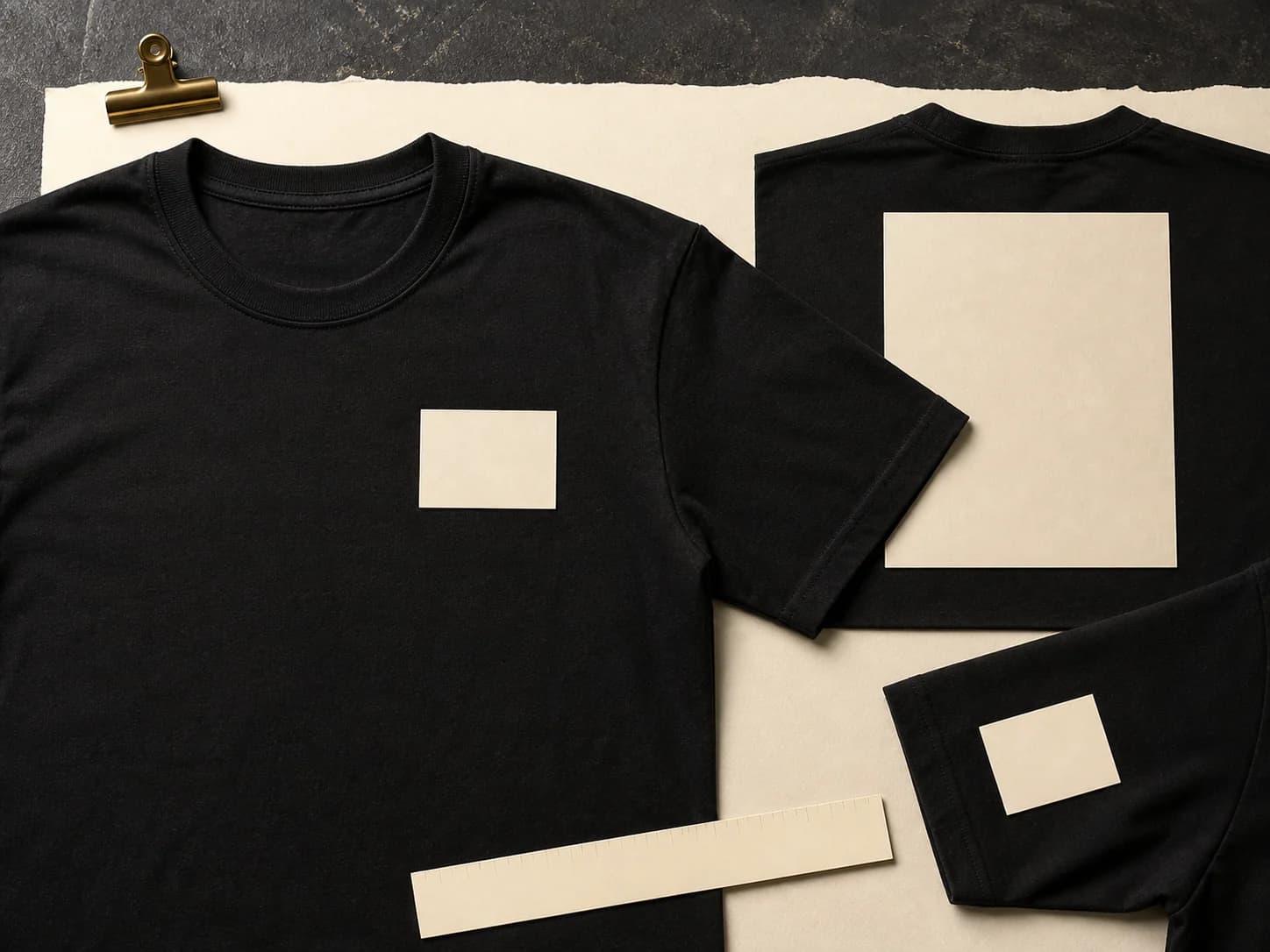
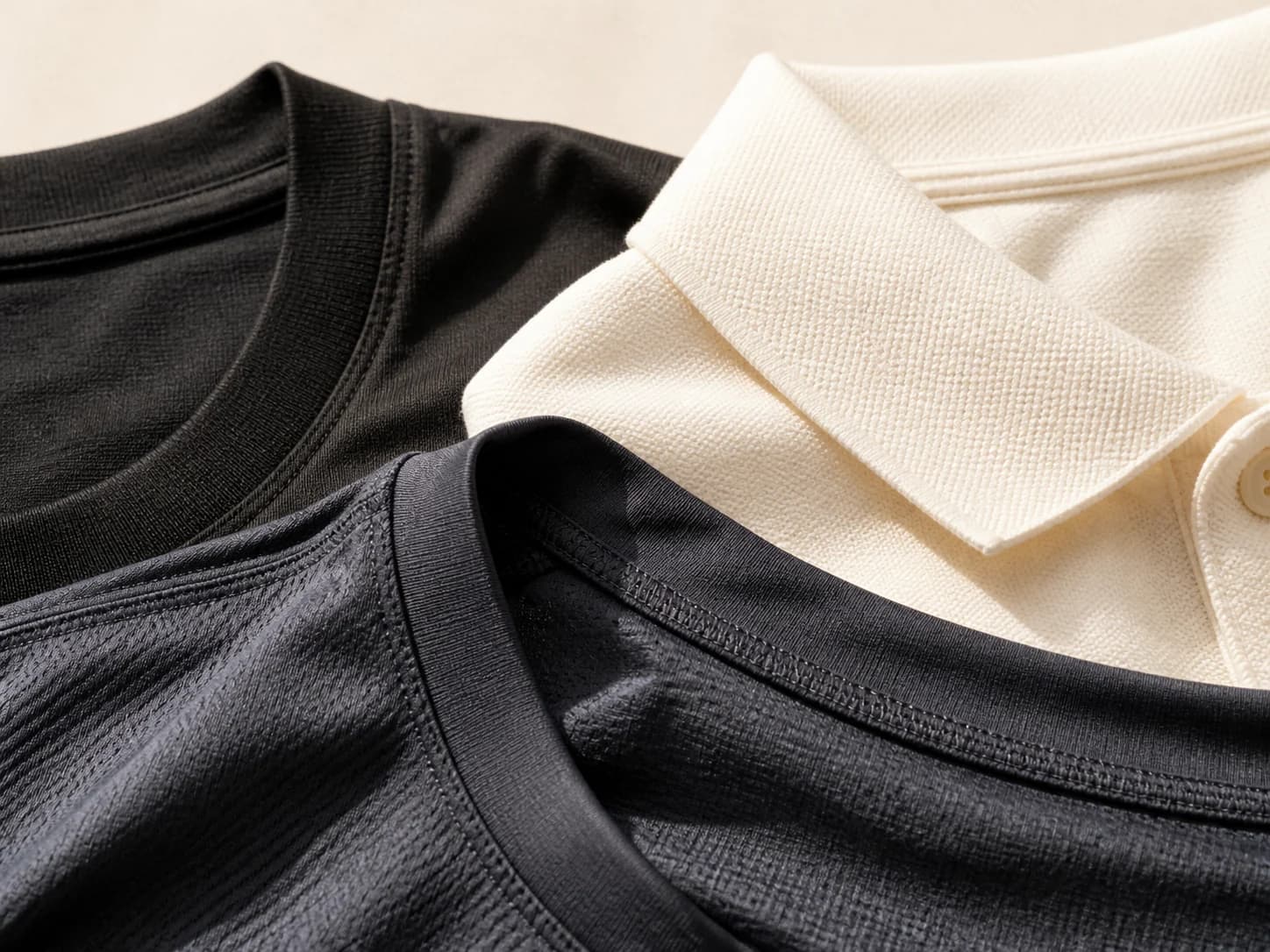
The base garment and construction direction.
The working number and size mix.
Complexity, colours and file readiness.
Front, back, sleeve or multiple positions.
Individual names or other variable details, if required.
The date the requirement is planned around.
Clear answers before you send the requirement.
Share the garment direction, approximate quantity, colour, size mix, intended use, branding positions, required date and available artwork.
A size mix can be included in the requirement. Share the working breakdown when it is known so it can be discussed as part of the quotation.
No. Start with the garment, quantity, artwork, intended use and required date. A suitable branding method can be discussed from there.
Share the clearest logo or artwork file available and note the intended placement. Final artwork requirements can be clarified during the quotation process.
You can include front, back, sleeve or multiple positions in the brief. Each placement can affect the quotation and should be described clearly.
Garment choice, quantity, colours, branding area, number of positions, personalisation, artwork complexity and deadline can all affect a quotation.